Electric Dirt Bike Guides
Your Complete Electric Dirt Bike Buyers Guide
Electric Dirt Bike Buyers Guides help riders and parents understand how to choose the right electric dirt bike based on age, experience, performance requirements, and intended use.
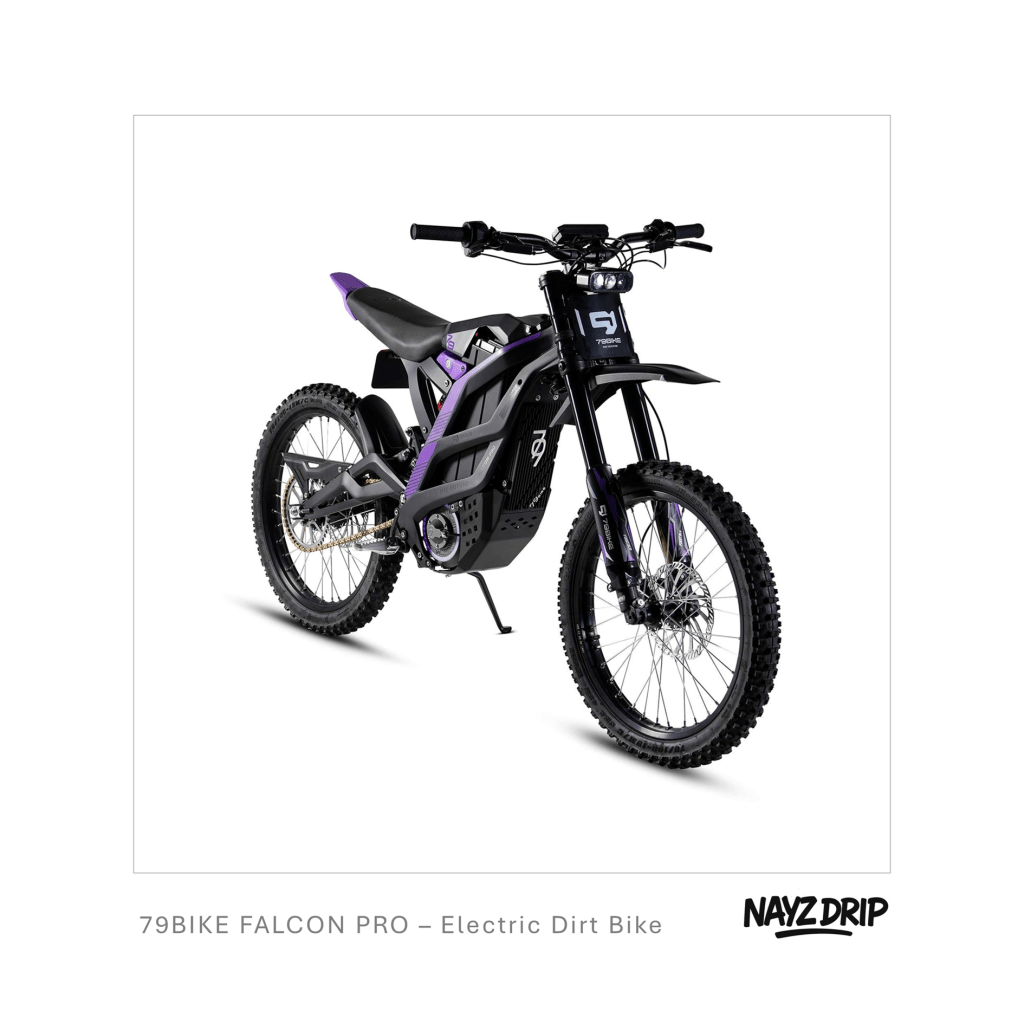

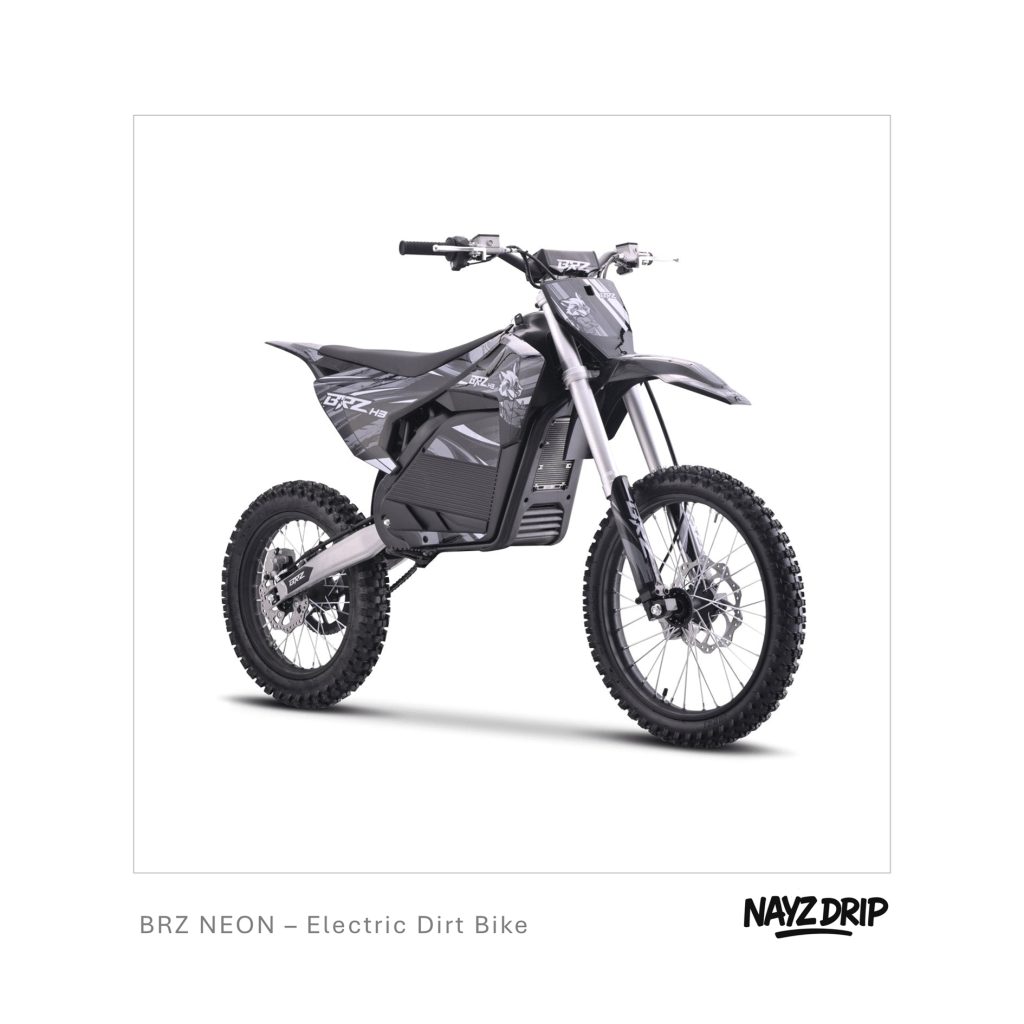

How to Choose the Right Electric Dirt Bike
Electric dirt bike buyers guides exist to make comparison simpler, but there are still several key factors every buyer should understand before choosing a model. The right electric dirt bike depends on who will be riding it, where it will be used, and what level of performance is required. Power, battery size, seat height, weight, suspension quality and braking systems all play a role in suitability.
For younger riders, lower power output and lighter frames improve safety and control. For teenagers and adults, performance and range become more relevant, especially for trail riding or off-road use. A good electric dirt bike buyers guide focuses on real specifications rather than marketing claims.
Electric Dirt Bikes for Kids
Electric dirt bikes for children are typically designed with reduced power, limited top speeds and simple controls. These models are intended to help younger riders develop balance and confidence while remaining manageable. Most kids’ electric dirt bikes use smaller motors (often under 1kW) and shorter seat heights to suit smaller riders.
Parents should look for:
- Adjustable speed modes
- Reliable braking systems
- Battery life that supports realistic riding sessions
- Build quality suitable for regular use
Our electric dirt bike buyers guides highlight which models are best suited for beginners rather than focusing only on performance figures.
Electric Dirt Bikes for Teenagers
Teen riders often outgrow entry-level bikes quickly. For this age group, mid-power electric dirt bikes offer a balance between control and excitement. Many models in this category sit between 1kW and 6kW, making them suitable for trail riding, light off-road use and skill development.
Important factors for teenage riders include:
- Suspension quality
- Frame durability
- Seat height relative to rider height
- Battery capacity and charging time
A good electric dirt bike buyers guide should clearly show where each model sits in terms of real-world usability rather than simply listing technical specifications.
Electric Dirt Bikes for Adults
Adult electric dirt bikes vary widely, from lightweight recreational models to high-performance machines capable of serious off-road riding. Higher-powered bikes typically offer greater torque, stronger acceleration and longer range, but also require more experience to handle safely.
When comparing adult models, buyers should consider:
- Peak motor power and torque delivery
- Battery voltage and amp-hour rating
- Expected riding range
- Weight and handling characteristics
- Intended riding style (trail, technical terrain, open riding areas)
Electric dirt bike buyers guides are particularly useful here, as marketing descriptions often exaggerate performance without explaining how the bike actually feels in real use.
Understanding Electric Dirt Bike Specifications
Many buyers find specifications confusing at first, but a few core metrics make comparison easier.
Motor power (measured in watts or kilowatts) affects acceleration and climbing ability. Battery capacity (voltage and Ah) influences range. Seat height determines rider comfort. Weight affects control. Suspension quality affects how well the bike performs on uneven ground.
Our electric dirt bike buyers guides focus on explaining these details clearly so buyers can make informed decisions rather than relying on guesswork.
Comparing Popular Electric Dirt Bike Models
One of the main purposes of electric dirt bike buyers guides is to allow fair comparison between brands. Different manufacturers prioritise different things — some focus on affordability, others on performance, and others on build quality. By comparing real specifications side-by-side, buyers can understand which models offer better value for their specific needs.
This is especially important when comparing bikes across different price ranges, as the most expensive model is not always the best choice for every rider.
Common Mistakes Buyers Should Avoid
Many first-time buyers choose an electric dirt bike based purely on top speed or appearance. This often leads to purchasing a bike that is either too powerful or unsuitable for the rider’s experience level. Electric dirt bike buyers guides exist to prevent these mistakes by providing structured, practical information.
Typical mistakes include:
- Buying too much power too early
- Ignoring seat height and rider comfort
- Overestimating required performance
- Choosing based on price alone without considering quality