Types of Motorbike Riding: 7 Powerful Styles Every Rider Should Know
A Practical Guide
There are many different types of motorbike riding that cover a wide range of disciplines. Each offering a different skillset, objective, and riding experience.
Whether you are riding for enjoyment, competition, exploration, or progression, understanding the categories helps you choose the right terrain and the right machine for you.
For more riding guides and updates, visit our news page.

There are many types of motorbike riding available
There are many types of motorbike riding available today, each offering a different experience depending on terrain, skill level, and riding goals.
From slow, technical control through to high-speed track riding and long-distance exploration, this article explains the most common riding styles, what each one involves, how they feel to ride, and which types of electric motorbike are best suited to each discipline.
Technical riding (Trials, Enduro-style terrain)
Technical riding typically includes trials and slower-speed enduro. The primary objective is control rather than speed. Riders focus on balance, body positioning, throttle precision, and careful line selection. Obstacles such as rocks, roots, steep climbs, mud, and tight woodland sections are central to the challenge.
The rider experience is mentally demanding, often slow-paced, and highly engaging. Many riders describe this style as rewarding because progress comes from skill improvement rather than outright power.
What the bike needs:
- Low overall weight
- Strong low-end torque
- Smooth and predictable throttle response
- Compliant suspension
Suitable electric bikes:
- KTM Freeride E (lightweight electric enduro)
- 79Bike Falcon Pro and Sur-Ron Light Bee (commonly used for technical trail riding, though not a pure trials bike)
These bikes are used in technical terrain and are well-suited to this riding style.
Fast track riding (Motocross, closed circuit riding)
Fast track riding includes motocross and circuit-style riding. The goal is lap time, consistency, and high-speed technical control. Riders experience strong adrenaline, physical fatigue, and the need for rapid decision-making. Suspension setup, braking technique, and body position become critical at this level.
This style is physically demanding and places significant stress on the bike. Repeated jumps, hard landings, and aggressive acceleration require robust components.
What the bike needs:
- High peak power output
- Strong frame and suspension
- Effective braking system
- Thermal management for sustained performance
Suitable electric bikes:
- Stark Varg (designed specifically for full motocross use)
- Alta Motors Redshift MX (discontinued but proven in professional racing)
- KTM SX-E range (youth competition models)
Lower-powered bikes such as Sur-Ron and Talaria models can handle light jumping recreationally, but they are not designed for sustained motocross track abuse.
Recreational riding (Trail riding, green laning, casual off-road)
Recreational riding is the most common category for everyday riders. It includes trail riding, green lanes, forest tracks, and general off-road exploration. The purpose is enjoyment rather than competition. Riders often value time outdoors, social riding, and gradual skill development.
The experience is typically relaxed and accessible. Comfort, reliability, and predictable handling are more important than maximum performance.
What the bike needs:
- Smooth power delivery
- Good battery range
- Comfortable riding position
- Practical reliability
Suitable electric bikes:
- 79Bike Falcon Pro
- Sur-Ron Light Bee
- Talaria Sting
- Similar mid-power electric dirt bikes in the 6–12 kW category
This category represents the largest and fastest-growing segment of electric off-road riding globally.
Adventure riding (Long distance, mixed terrain exploration)
Adventure and dual-sport riding focus on distance, mixed surfaces, and self-sufficiency. The goal is not speed but endurance and adaptability.
Riders often cover tarmac, gravel, dirt roads, and remote tracks within a single ride. Navigation, route planning, and energy management become part of the experience.
Many riders describe this style as immersive and freeing, with less emphasis on adrenaline and more on exploration.
What the bike needs:
- Larger battery capacity
- Efficient power usage
- Comfort over long distances
- Ability to carry luggage
Suitable electric bikes (realistic current options):
- Zero DSR / DSRX
- Energica Experia
- Cake Kalk (lightweight exploration rather than true long-range ADV)
Most small electric dirt bikes are not yet practical for serious adventure riding due to range limitations.
Competition formats (Structured disciplines)
Some riding styles exist almost entirely within organised formats. These include rally, flat track, speedway, and drag racing. Each has defined rules, environments, and performance measures. The objective is structured competition under pressure rather than exploration or leisure.
General reality across electric bikes:
- Electric drag racing exists but is typically based on heavily modified or custom machines
- Electric flat track and speedway bikes exist but are specialist race builds
- Electric rally remains experimental due to range limitations
These are not mainstream consumer segments yet, and very few production bikes are purpose-built for them.
How to choose the right bike for your riding style
Understanding the types of motorbike riding allows you to align your equipment with your intentions. A rider focused on technical woodland terrain will benefit from lightweight control, while a rider focused on open motocross tracks will need significantly more power and suspension capability.
Key factors to consider when matching bike to riding type include:
- Power delivery
- Weight
- Suspension quality
- Battery capacity and real-world range
- Riding position and ergonomics
Choosing the category first makes the bike selection process far more logical and reduces the risk of buying something unsuitable for your goals.
Progression and skill development
Many riders naturally move between categories over time. A beginner may start with recreational trail riding before exploring technical riding or fast track environments. Exposure to different disciplines can improve overall bike control, confidence, and safety awareness.
Recognising the distinctions between the types of motorbike riding also helps riders set realistic expectations around physical demands, equipment limitations, and progression speed.
Electric bikes and modern riding trends
Electric off-road bikes have expanded rapidly across most categories. Their instant torque, reduced maintenance requirements, and quieter operation make them particularly suitable for technical riding and recreational use. Higher-performance models are increasingly capable in fast track environments, while larger electric motorcycles are beginning to enter the adventure segment.
Technology continues to evolve, but battery energy density remains the primary limitation. Improvements in this area will ultimately determine how far electric bikes can expand into long-distance and competition-heavy disciplines.
Understanding the types of motorbike riding gives riders clarity, supports better purchasing decisions, and encourages safer, more enjoyable riding across every discipline today.
For further insights, comparisons, and guides, explore our latest articles here.
Send us a message!
Our Latest Products
-
Sale!
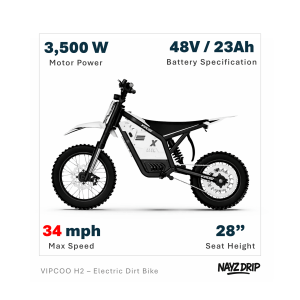 Vipcoo H2 Powerful 3.5kW Electric Dirt BikeAdd to basket
£1,299.00Original price was: £1,299.00.£899.00Current price is: £899.00. -
Sale!
 79Bike Falcon Pro 2. Purple Edition. Exciting 10kW Electric Dirt BikeAdd to basket
£4,199.00Original price was: £4,199.00.£3,495.00Current price is: £3,495.00.
Where to Next?
For the Next Generation of Mx Riders
Want To Hear First
About our newest products?
Sign up for the latest Nayz News:
Our monthly newsletter and latest offers.